Haryana farms run grain and dairy side by side on the same holding. That combination is why farms here often buy two machines rather than one — and why both get used hard.
Two enterprises under one roof, and equipment needs that follow from both.
A typical Haryana holding produces wheat and paddy for the mandi and keeps animals whose fodder has to come from somewhere. Those are different jobs with different machines — a reaper and straw loader for the field, a chaff cutter for the shed — and farms here are large enough that both make sense.
The connection between them is the residue. Cut the crop low with a reaper, collect it with a straw loader, and the fodder your dairy needs comes off your own field instead of being bought in. The chaff cutter then handles green fodder at the shed. Each machine makes the others more useful.
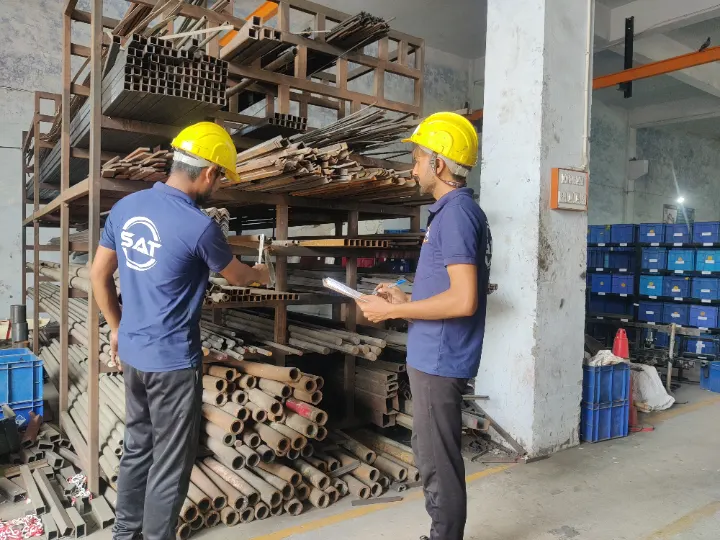
 Wheat
Wheat
 Paddy
Paddy
 Mustard
 Bajra
Bajra
 Chana
Chana
 Berseem
 Lucerne
 Jowar
Jowar
Where grain and dairy share a holding, residue stops being waste and becomes an input — the cheapest fodder on the farm is the straw you already grew.
Field machines and shed machines, and the residue that connects them.
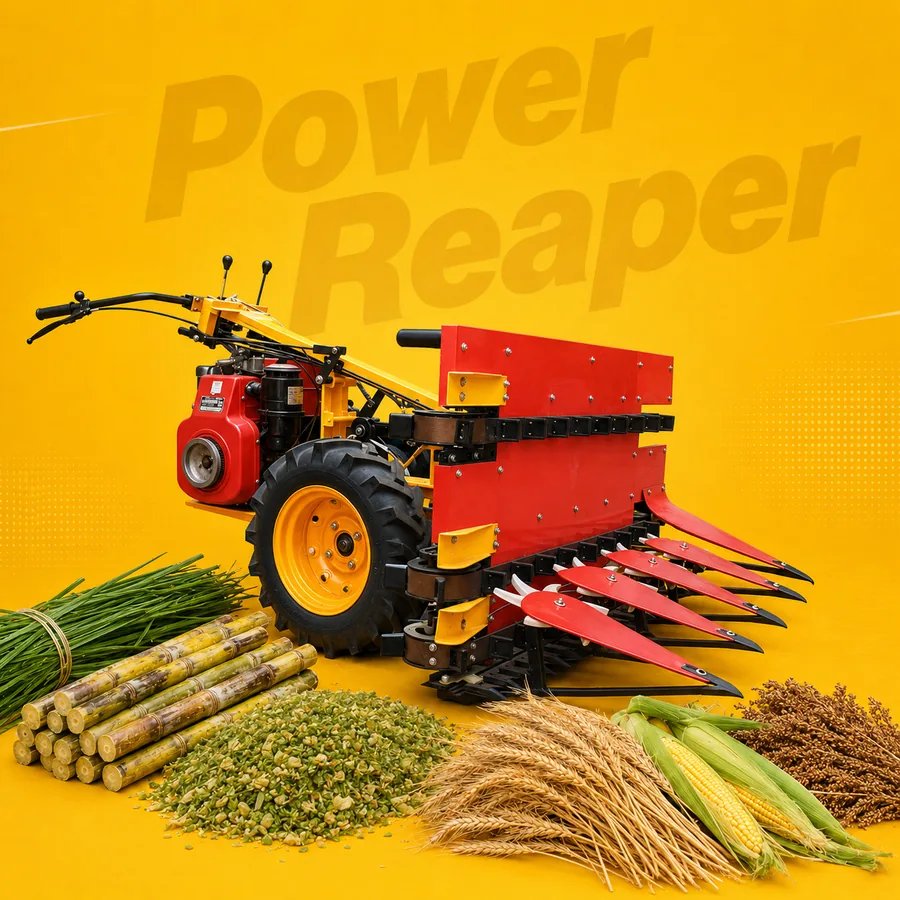
Cuts low so more straw survives for the shed — roughly 0.6–0.9 acre an hour, one operator.
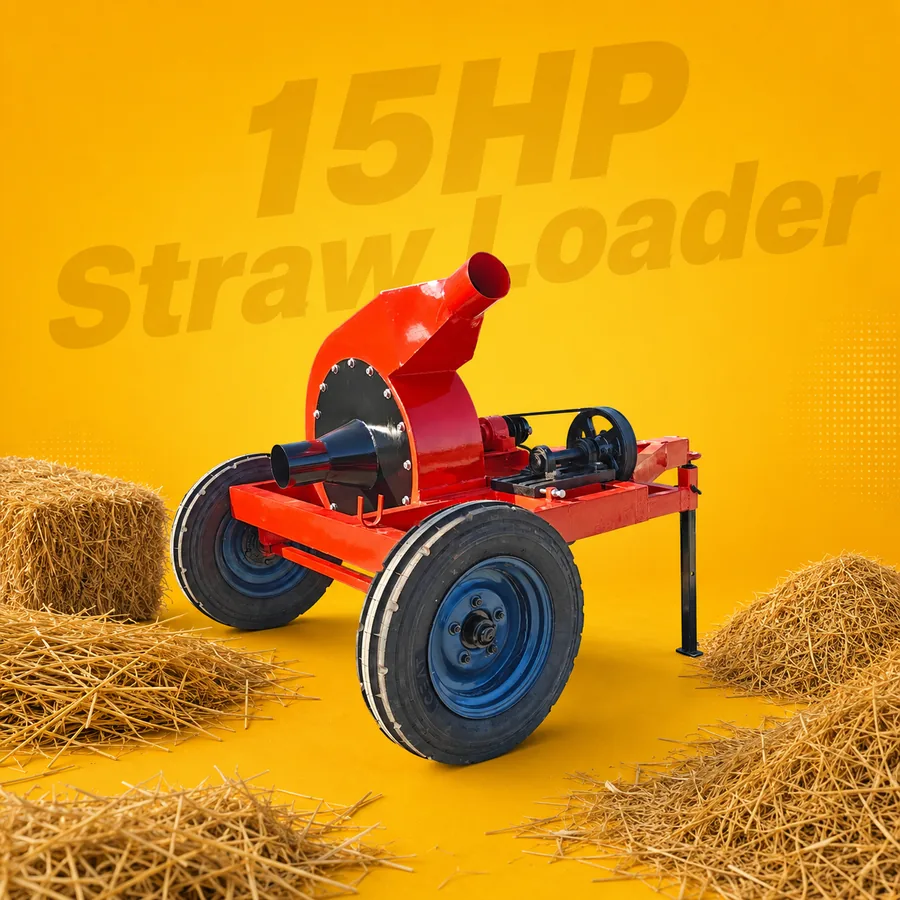
Brings that straw in as finished bhusa — a full trolley in 20–25 minutes.
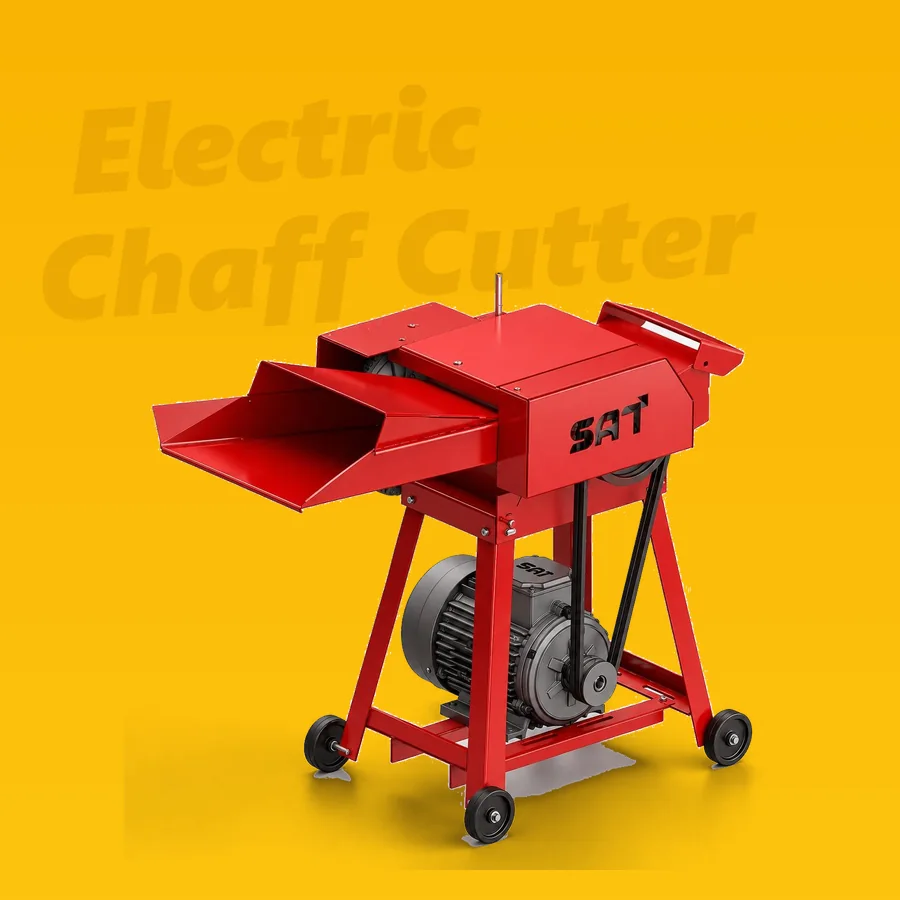
Handles green fodder at the shed — 600-800 kg an hour, adjustable cut length.
Sunidhi Agrotech builds the SAT-R101 diesel and SAT-R102 petrol self-propelled power reapers at its own plant in Ahmedabad and supplies Haryana factory-direct, from ₹1,30,000 with a 1 year warranty from the date of delivery. There is no dealer or trader margin inside that price, because you are buying from the manufacturer. Transport is charged separately at actual cost by distance. Hindi-speaking farmers know the same machine as the Jadui Katar (जादुई कटर) or the Laal Katar (लाल कटर).
Price, specifications, subsidy route and delivery for Haryana, machine by machine.
Doorstep delivery across the state, and genuine spares reaching farms in days rather than weeks.
Dealers across the state stock machines and fast-moving spares, so support is a district away rather than a state away.
Wear parts come from the same Ahmedabad line that built your machine — no pattern parts, no guesswork.
Operator training on delivery day, in the language your operator actually works in.
Fill this in and it opens as a ready WhatsApp message to our sales desk — we reply with the factory-direct price, your nearest service point and subsidy guidance.
Same factory, same dispatch, same spares shelf. If your fields sit closer to one of these, start there.
Not on this list? We dispatch and service across India — see the full dealer and service network.
Tell us your crop and acreage — get an honest recommendation, a factory-direct quote and subsidy guidance in one call.